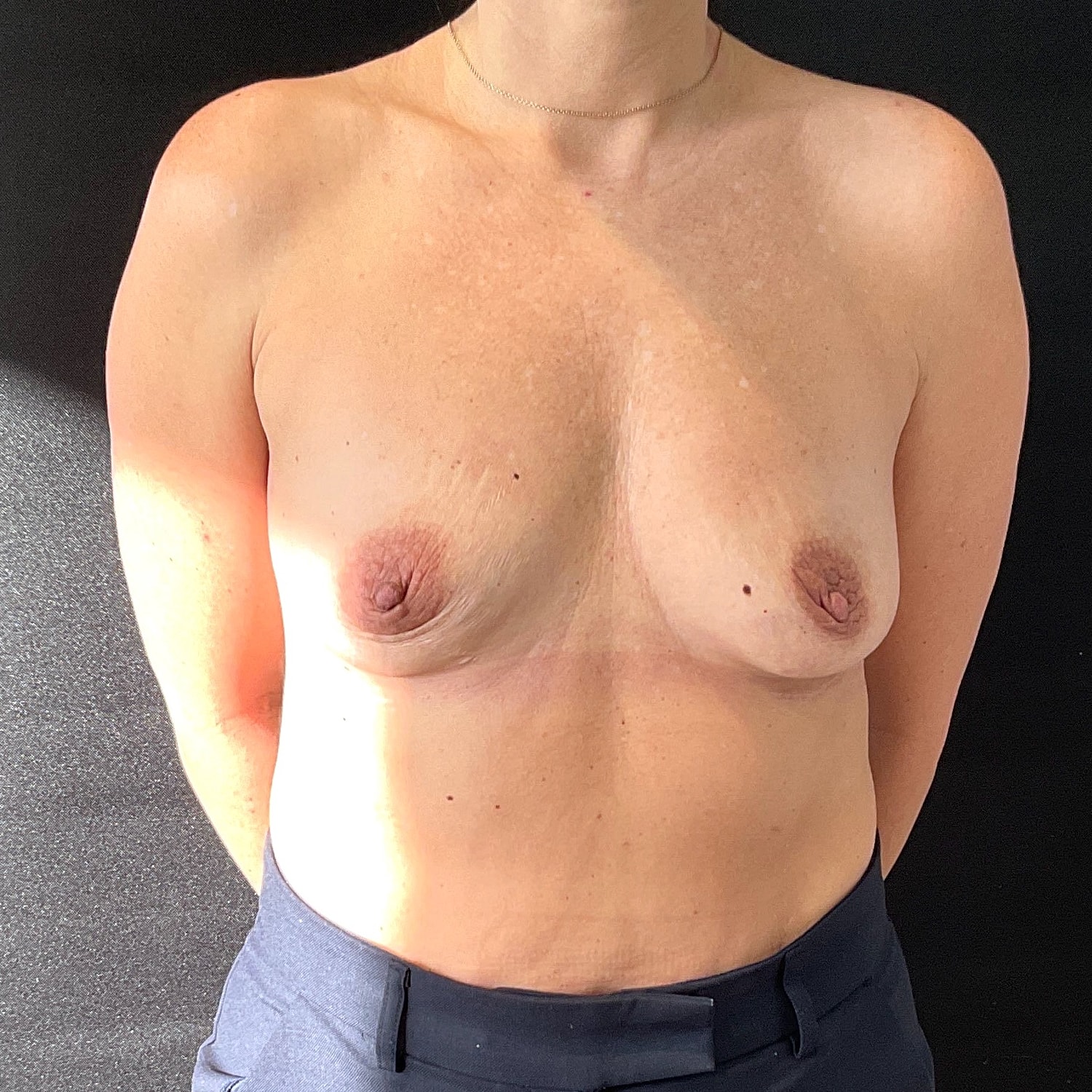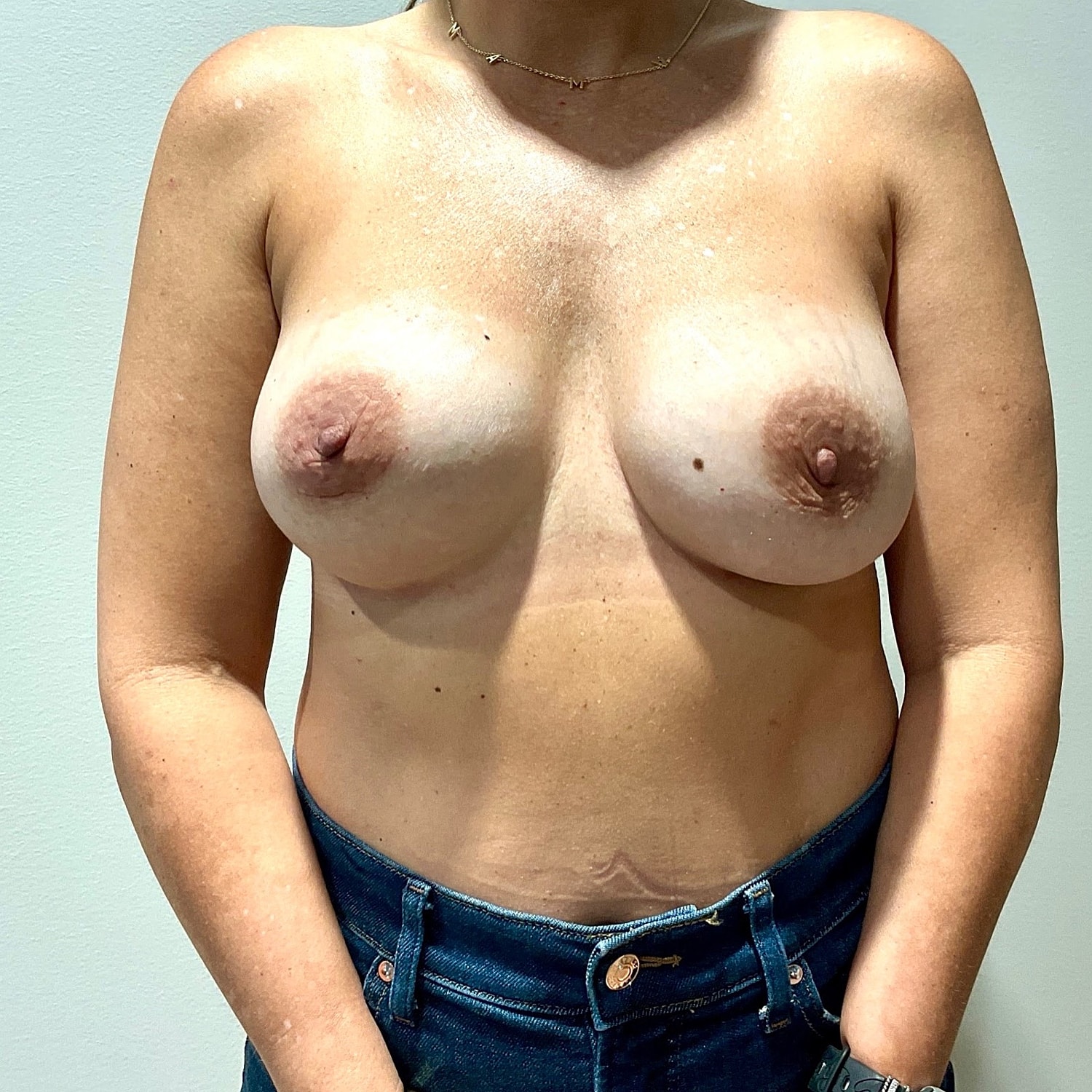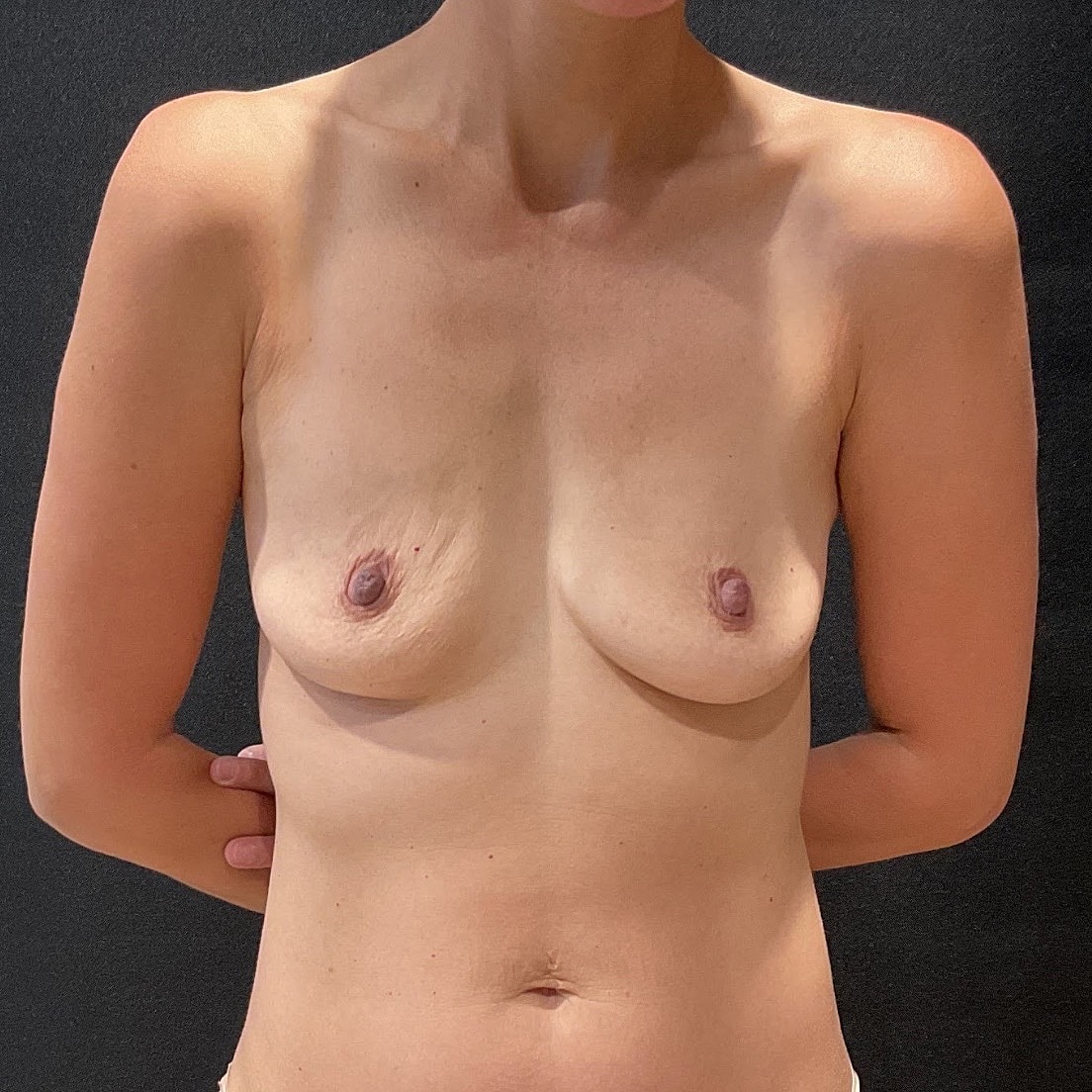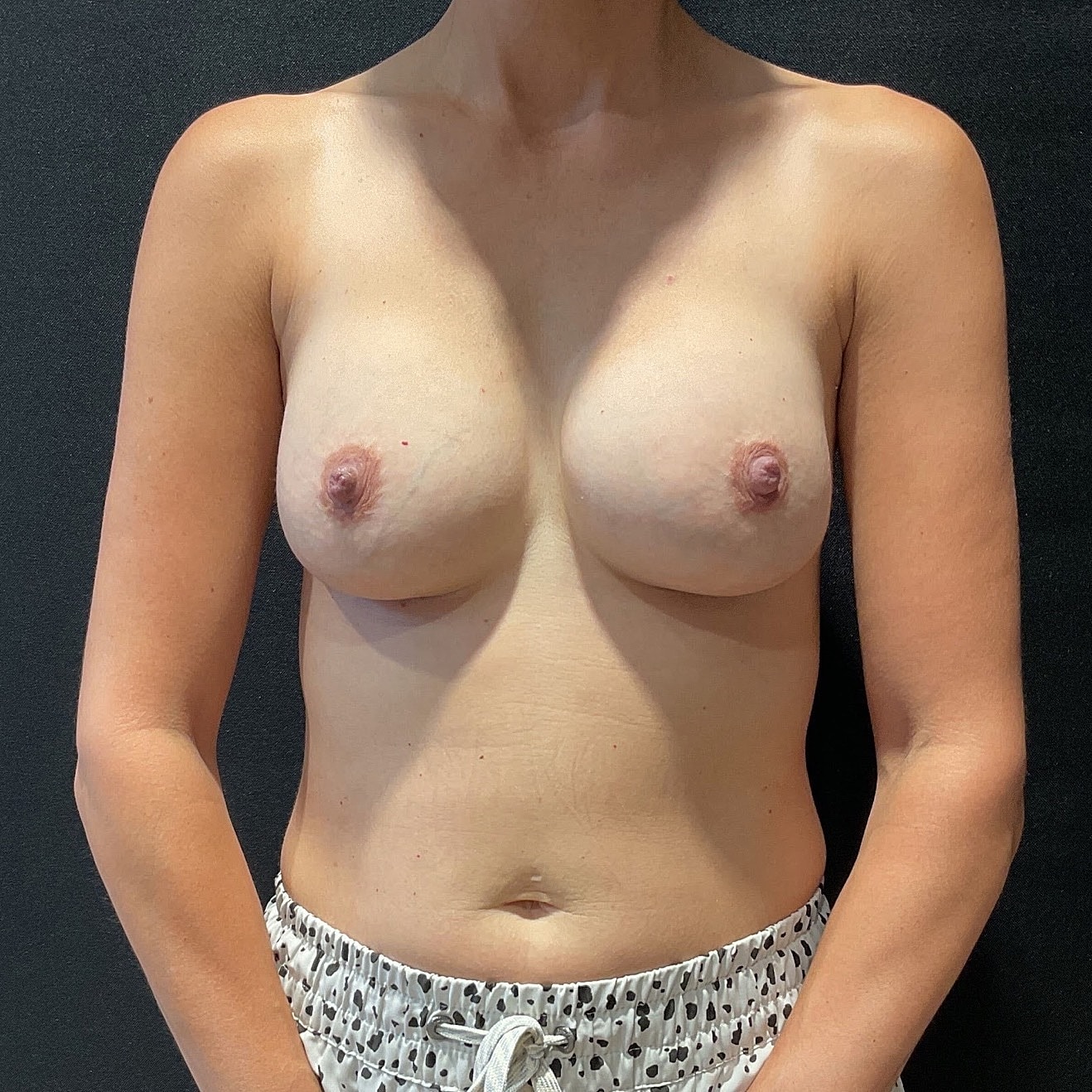
Breast Augmentation
in Charlotte, NC

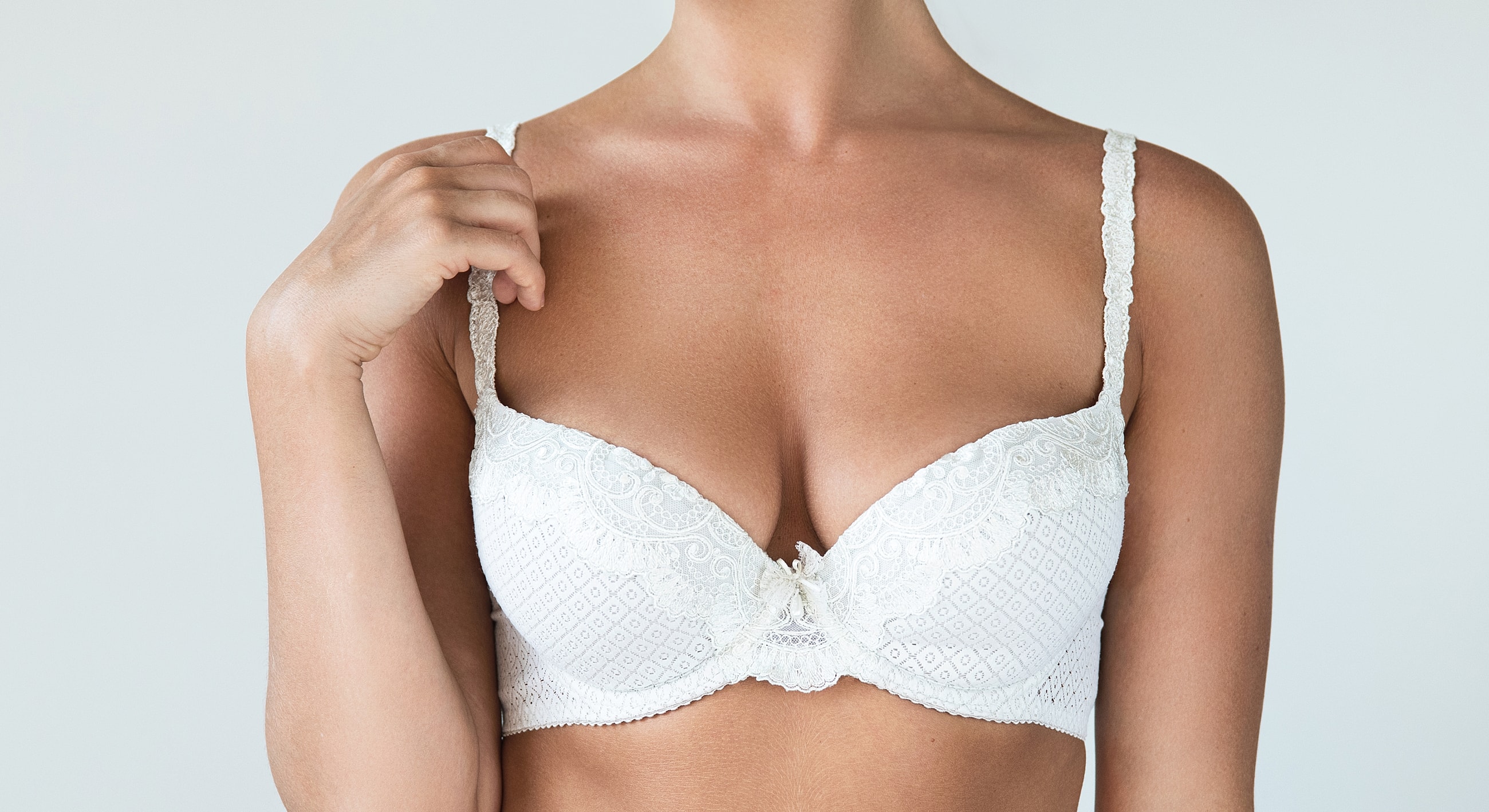
Choosing our practice for your Charlotte, NC breast augmentation journey means entrusting your enhancement to Vanderbilt-trained, board-certified plastic surgeons who ground every decision in structural precision and aesthetic artistry. Dr. Appel and Dr. Wormer leverage extensive reconstructive backgrounds to evaluate your unique anatomy, helping you select an augmentation method that complements and enhances your natural proportions. Performed in a private, state-of-the-art Quad A-certified surgical center, we merge elite technical skill, clear communication, and personalized planning to provide a safe, beautifully balanced outcome. Get Started
Breast Augmentation (Implant Placement or Natural Fat Grafting)
1 to 2 hours under general anesthesia.
Return to light daily activities and desk work within 3 to 7 days; full athletic resumption in 6 to 8 weeks.
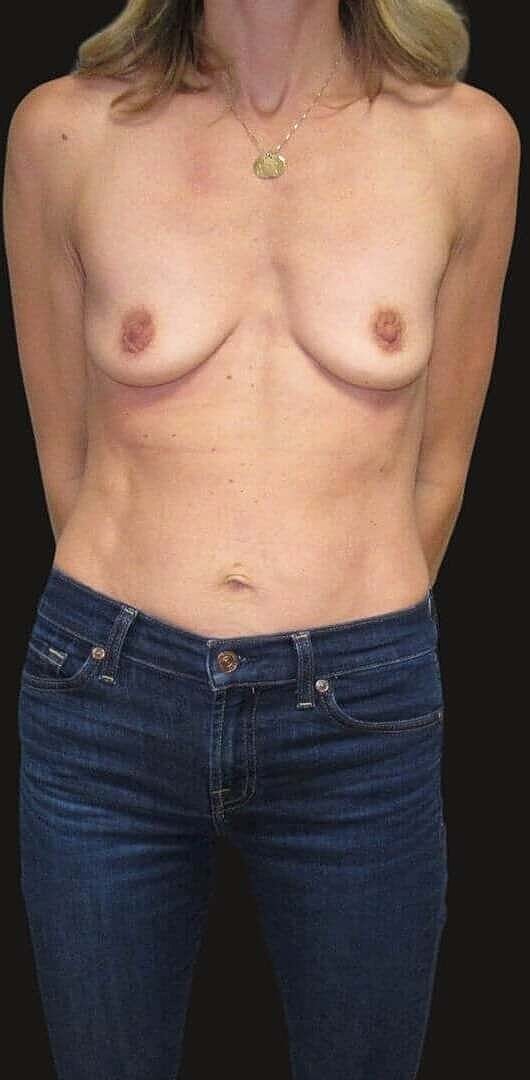
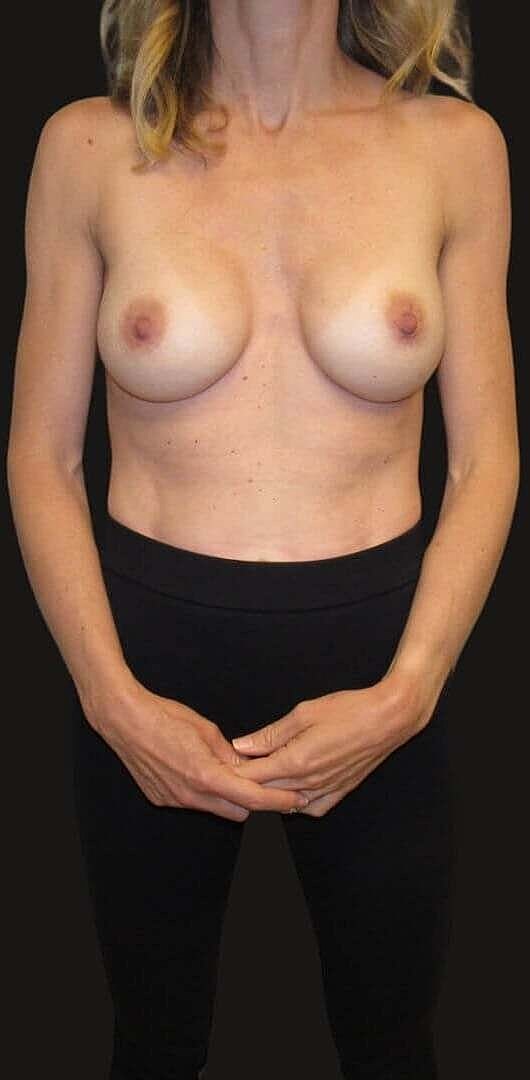
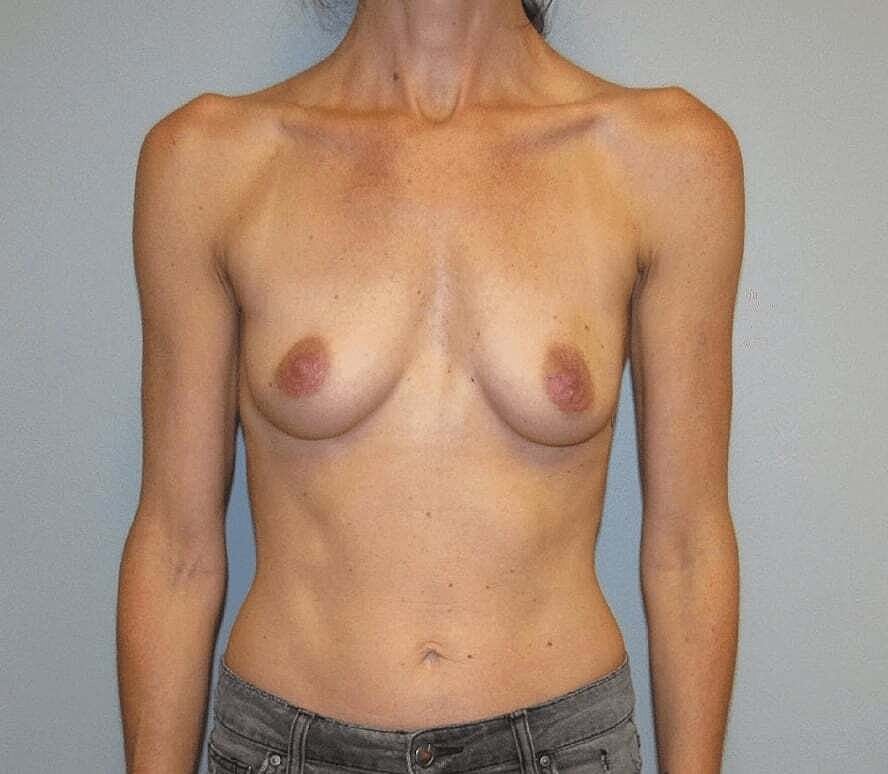
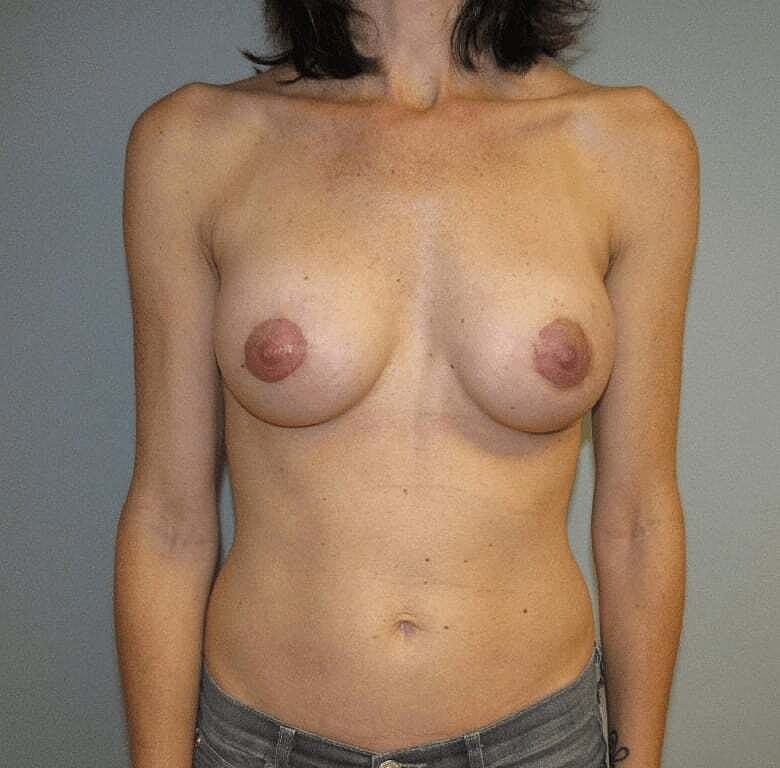
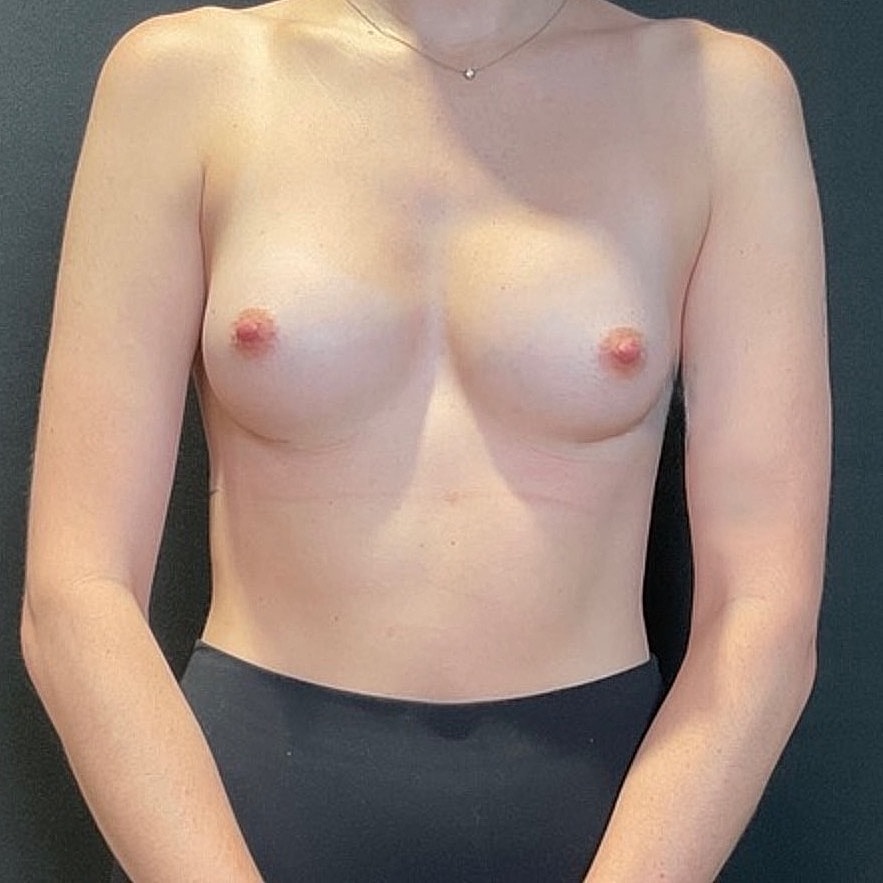
Immediate increase in volume and projection, settling into a beautifully soft and natural position within 3 to 6 months.
1 of 7
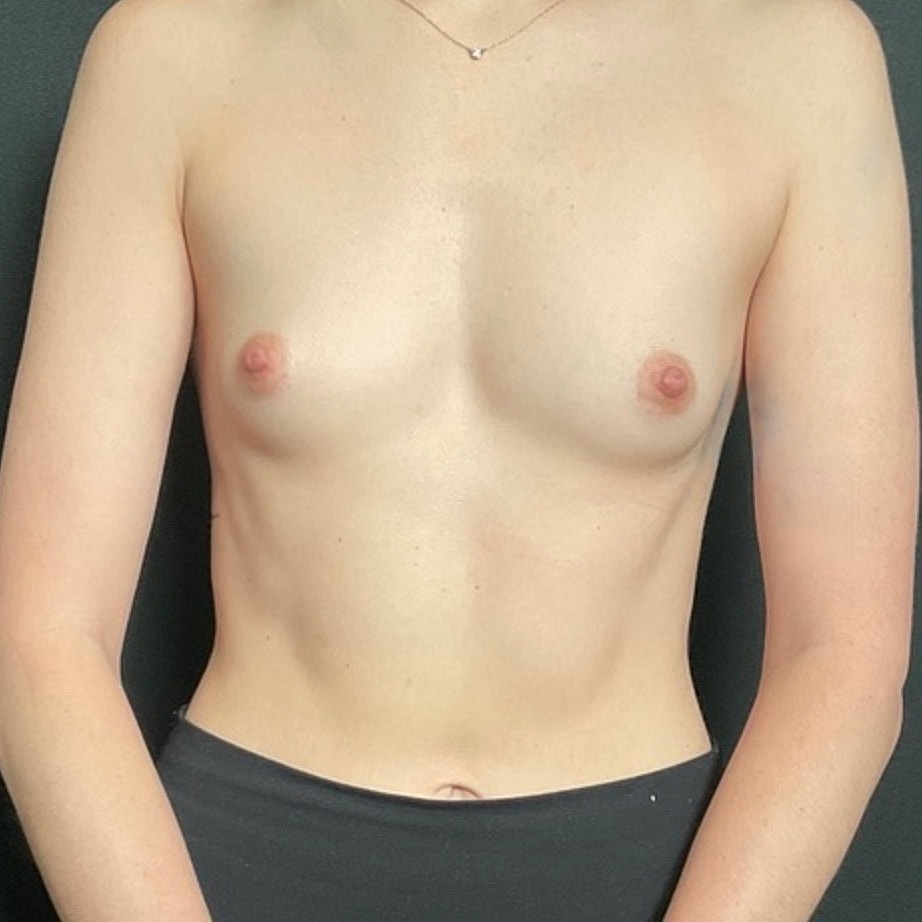
Cosmetic breast surgery, also called augmentation mammoplasty, is a procedure that adds volume to breasts to create a fuller look. It is known as one of the most desired cosmetic surgeries, providing women who are unhappy with their breast shape numerous options for improvement. Cosmetic breast augmentation can be performed with implants, while fat transfer breast augmentation offers an alternative approach for select patients. This method uses purified fat cells taken from another area of the body, and while some survive long term, some are naturally reabsorbed. Charlotte, NC, plastic surgeons Dr. James Appel and Dr. Blair Wormer are experienced in executing this procedure and perform many breast augmentations each year. During your consultation at Appel Wormer Esthetics, your surgeon will address your concerns and desires and provide you with all of the choices available while also tailoring a treatment plan to attain your goals.
The consultation is where your Charlotte, NC breast augmentation surgeon develops a comprehensive understanding of your goals, anatomy, and health history. Expect a thorough review of your medical background—including previous surgeries, current medications, and smoking status—along with a detailed breast examination assessing skin quality, breast tissue volume, the position of the nipple areola complex, and the shape and dimensions of your chest wall.
Proper implant selection includes choosing an implant type based on your anatomy and goals. Saline breast implants are filled with sterile salt water and filled after being placed in the breast pocket, allowing for precise size customization. Silicone breast implants come in a wide range of sizes and profiles and are often chosen for their softer, more natural feel. You'll also learn about implant placement options, including submuscular placement beneath the pectoral muscle and subglandular positioning above the chest muscle. Common incision locations include an inframammary incision along the crease under the breast, a periareolar incision around the colored portion of the nipple-areola complex, or a transaxillary incision in the underarm.
Pre-surgery preparation typically involves obtaining medical clearance through lab work and, when appropriate, mammograms, especially if there is a personal history of breast cancer. You may need to adjust medications, stopping blood thinners for example, and cease smoking four to six weeks before surgery for optimal healing. Arranging help for the first few days of recovery is also essential.
Incision placement and implant placement are carefully planned before surgery. During the procedure, the chosen incision is created, and then the implant is slipped into its position. Two techniques may be applied for implant placement. These include either submuscular placement (under the pec muscle) or behind the breast tissue but over the pectoral muscle. Where to place the breast implant depends on varying factors, including the size and type of implant, along with the expertise of Dr. Appel and Dr. Wormer. No matter where the incision is placed, scarring is usually minimal. Implant placement is determined based on your implant size, activity level, and body type.
During a fat grafting procedure, you will be under some form of anesthesia. The exact type of anesthesia or numbing method will depend on how much fat tissue is being removed, including where it will be reinstated. Liposuction is first performed using a thin, special cannula to carefully extract the fat, which will then be purified and harvested inside a centrifuge (which preps the highest quality fat for syringes). After preparing the injection site, the healthy fat tissue will be transferred into the breasts. The process of injecting is completed in layers until the desired outcome has been attained.


For patients who are looking to increase the volume of their breasts and improve their overall appearance, breast augmentation in Charlotte, NC, at Appel Wormer Esthetics offers an array of benefits:
Candidates for breast enlargement surgery should be in good health, have completed breast development, and hold realistic expectations about what the procedure can achieve. Saline implants are FDA-approved for women 18 and older, while silicone implants are FDA-approved for women 22 and older.
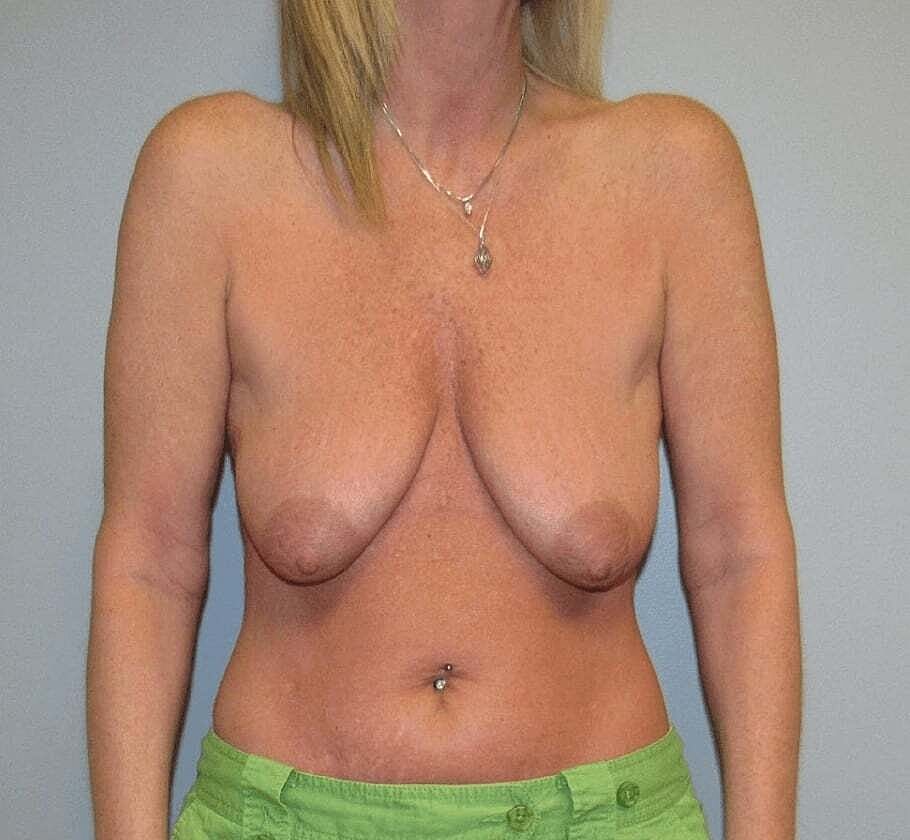
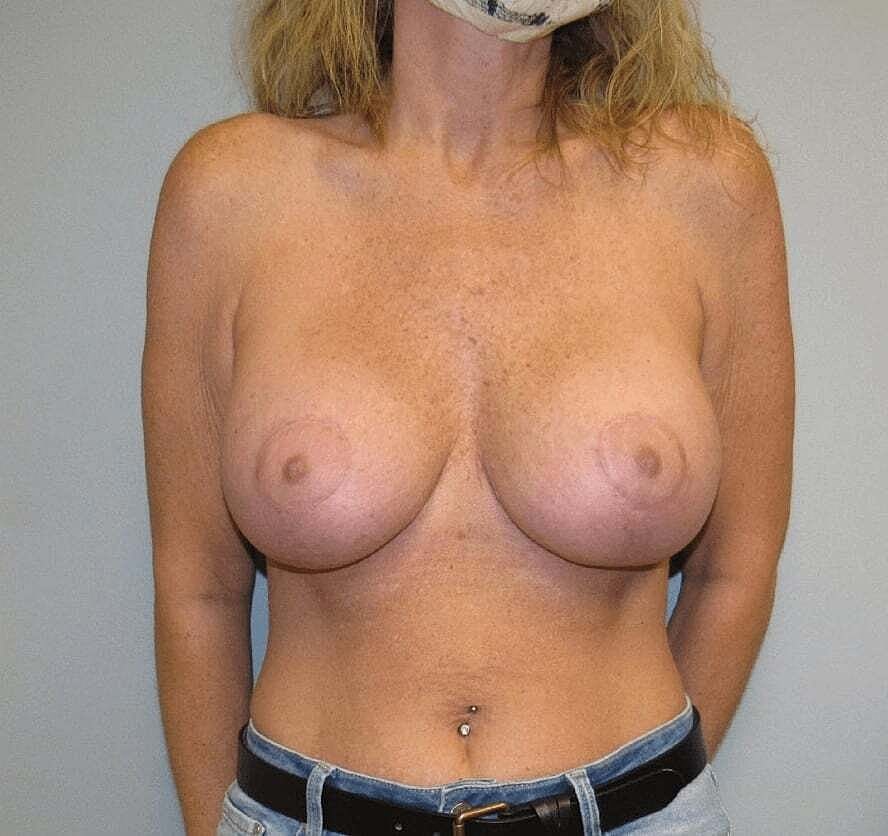
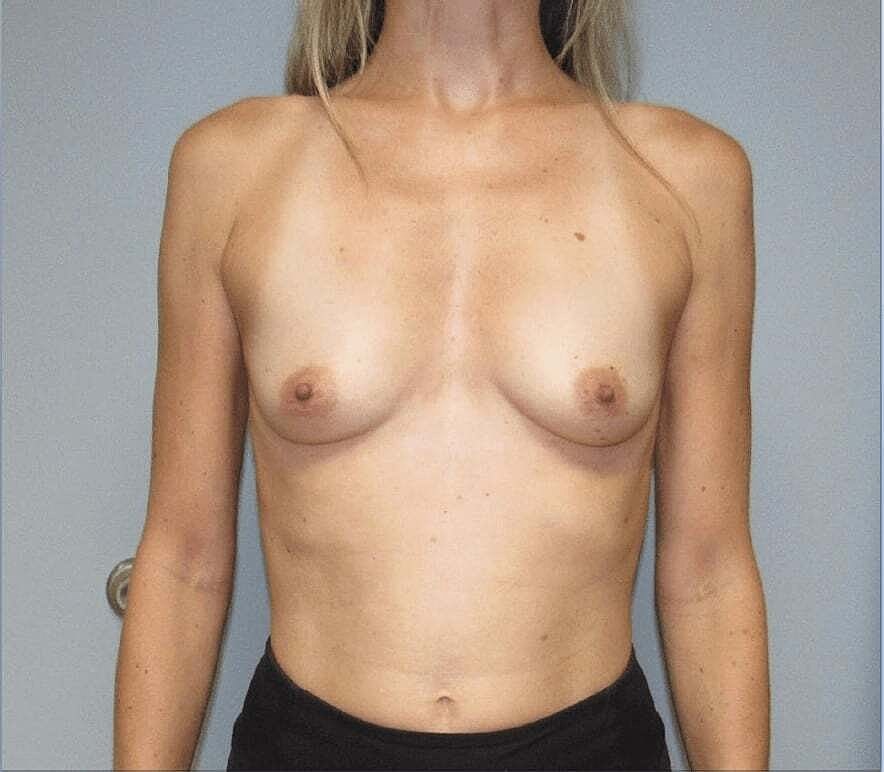
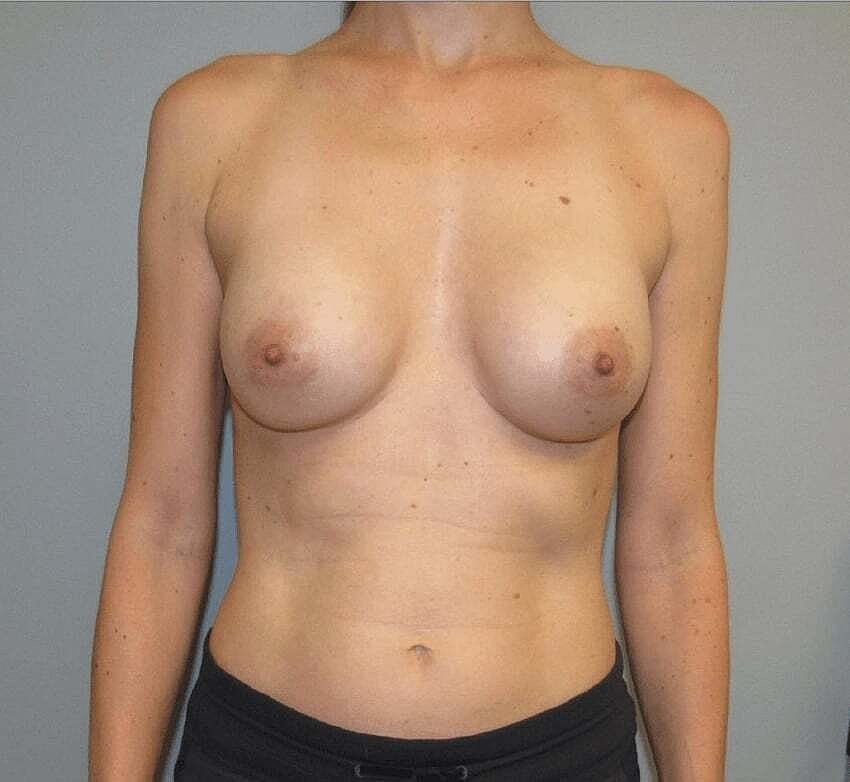
Conditions that breast augmentation addresses include hereditary small breast development, sagging breasts that may benefit from a combined breast lift with augmentation, post-partum or post-weight loss deflation, and congenital asymmetries or chest wall irregularities. Asymmetry is a potential outcome of breast augmentation, as natural breasts differ in size, so candidates should understand that perfect symmetry is not always achievable.
Contraindications include active pregnancy or breastfeeding, significant medical conditions that compromise healing, active infections, and expectations that fall outside what plastic surgery can realistically deliver. Candidates should be at a stable weight, since weight fluctuations alter breast shape and volume. Skin quality and the amount of existing natural breast tissue also play a role; very thin skin or insufficient tissue may increase the risk of visible rippling with certain implant types. In selected patients, cohesive silicone gel implants may be considered when a more natural feel with less rippling is the goal. Questions about breast implant illness should also be reviewed during informed consent.


Breast augmentation patients notice an immediate increase in breast volume, though the final breast shape and position settle over three to six months as swelling resolves and the implants descend into a natural position. Initial recovery time is three to seven days. Recovery timelines vary, with many patients returning to desk work and other non-strenuous activities within one week post-surgery. Recovery from breast augmentation often involves restrictions on heavy lifting and strenuous activities for four to six weeks. Full return to high-impact workouts and upper body exercises generally occurs around six to eight weeks.
Surgical scars typically heal within six weeks post-operation, and incision lines continue to fade as scar maturation progresses over the following months; incision planning is also designed to minimize visible scarring as much as possible. Post-surgery care includes wearing a surgical bra or compression garment for several weeks, managing discomfort with prescribed pain medication or over-the-counter analgesics, sleeping elevated or on your back, and attending scheduled follow-up appointments to monitor healing. Incisions may be closed with sutures, skin adhesive, or surgical tape depending on the technique used.
The initial results of a breast augmentation are visible the day of your surgery. As initial post-operative tightness and minor swelling clear over the first few weeks, the breasts naturally soften, drop into an optimal pocket position, and take on a soft, naturally balanced appearance. The resulting profile creates an appealing, proportional silhouette that complements your natural frame.
While breast implants do not stop the natural aging process or hold a permanent lifetime guarantee against wear, their results are exceptionally long-lasting, frequently enduring beautifully for 10 to 15 years or longer. So long as you remain at a stable weight and experience no implant-related complications, your refreshed shape, enhanced volume, and restored symmetry will remain stable for years to come.
Breast enhancement surgery with implants or fat transfer is well sought out for many excellent reasons. Both procedures are safe and effective and produce amazing outcomes. Our practice combines extensive experience in primary augmentation and revision surgery with a personalized approach to every patient's body. We use only FDA-approved implants backed by comprehensive safety data, including the latest implant technology such as form-stable gummy bear implants, semi-solid silicone gel options, and composite augmentation techniques that pair implants with fat transfer for refined contouring.
With numerous augmentation considerations, you can have the bustline you have always wanted. Appel Wormer Esthetics is proud to provide these proven treatments, and we invite you to learn more. Contact Appel Wormer Esthetics in Charlotte, NC, to schedule your initial consultation with Dr. James Appel or Dr. Blair Wormer.
Taking the first step toward your desired outcome begins with a personalized consultation. During your visit, your board-certified plastic surgeon will evaluate your breast anatomy, discuss implant options and surgical techniques, and develop a customized surgical plan aligned with your goals.
Whether you're exploring breast augmentation in Charlotte, NC or researching your options from afar, we welcome the opportunity to answer your questions and guide you through every aspect of the process. Contact our practice today to schedule your consultation and learn how breast enhancement can help you feel more confident and comfortable in your own body.

Sleeping on your stomach is usually discouraged during early breast augmentation recovery while the implants settle and the tissues heal. Once fully healed, many patients can sleep comfortably in their preferred position, but our team will let you know when it is safe based on your progress.
Breastfeeding with implants is possible for many women, depending on the incision type, implant placement, and individual anatomy. Our team can discuss your future family plans during your consultation and recommend an approach that helps preserve breastfeeding potential when possible.
Most breast augmentation procedures are an outpatient procedure performed in an accredited surgical facility, which means patients usually return home the same day. Our team will review your surgical plan, anesthesia details, and recovery instructions so you know exactly what to expect.
Most patients describe moderate soreness and tightness during the first few days, especially with submuscular placement beneath the chest muscles. Discomfort is well-managed with prescribed pain medication and typically tapers to mild soreness within a week. Severe pain is uncommon.
Breast augmentation carries general surgery risks such as bleeding and infection. Specific complications include capsular contracture, breast implant rupture or deflation, and the rare risk of BIA-ALCL associated with textured implant surfaces.
No breast implant is designed to last a lifetime, so the cost of breast augmentation should also be considered over time, since implants may last many years, but future replacement or removal may become part of the long-term investment. Breast implants typically require replacement or removal every 10–15 years, though some patients go much longer without complications. Regular monitoring, including imaging for silicone implants, helps detect issues early. Revision surgery may be needed to address complications like implant rupture or significant capsular contracture, or when the patient desires a change.
Light walking is encouraged within the first few days. Patients should avoid exercise for two weeks post-surgery, with gradual reintroduction of non-strenuous activity around that time. High-impact workouts, heavy lifting, and chest-targeting exercises are generally cleared at six to eight weeks, guided by your surgeon's assessment of your healing.