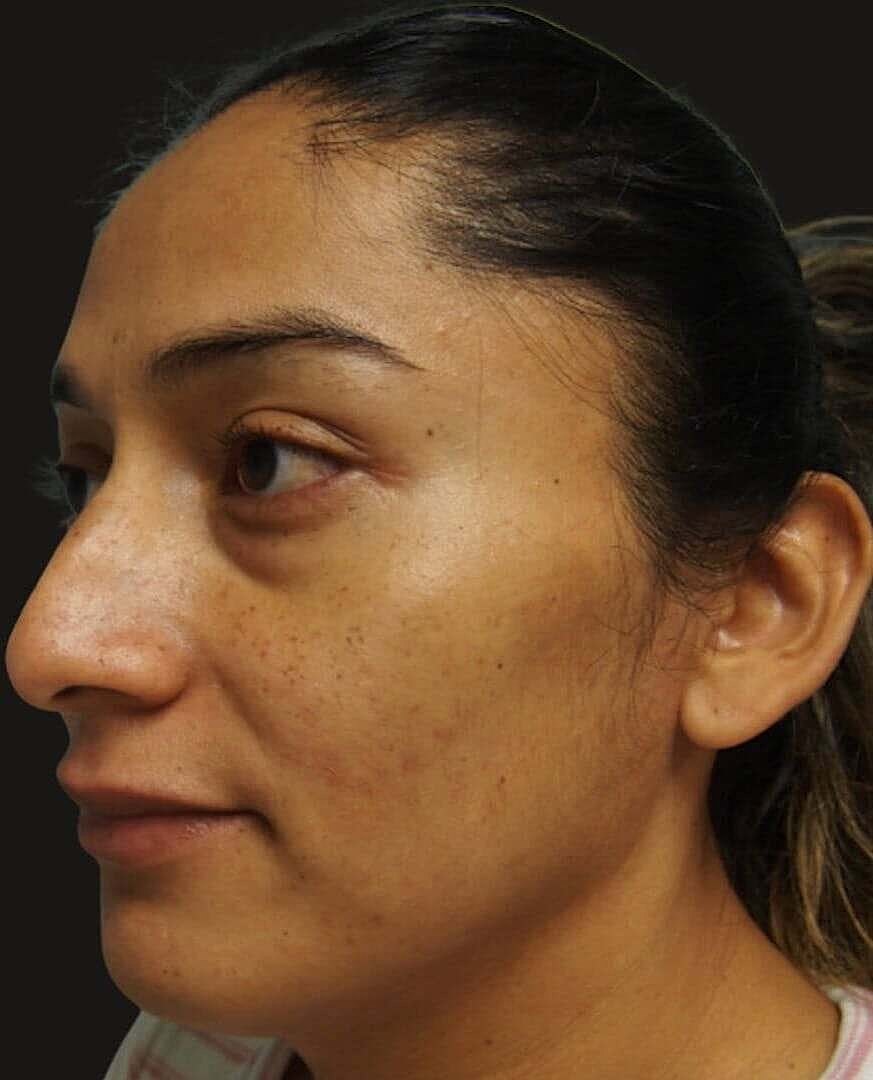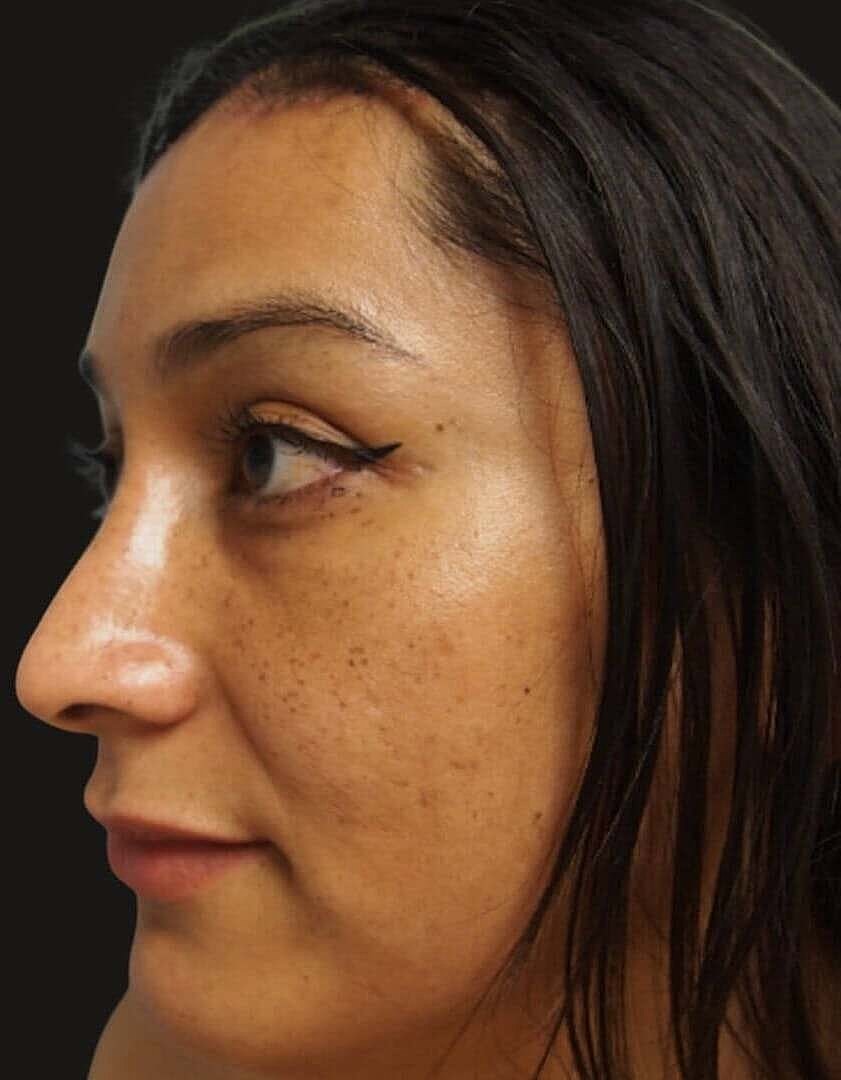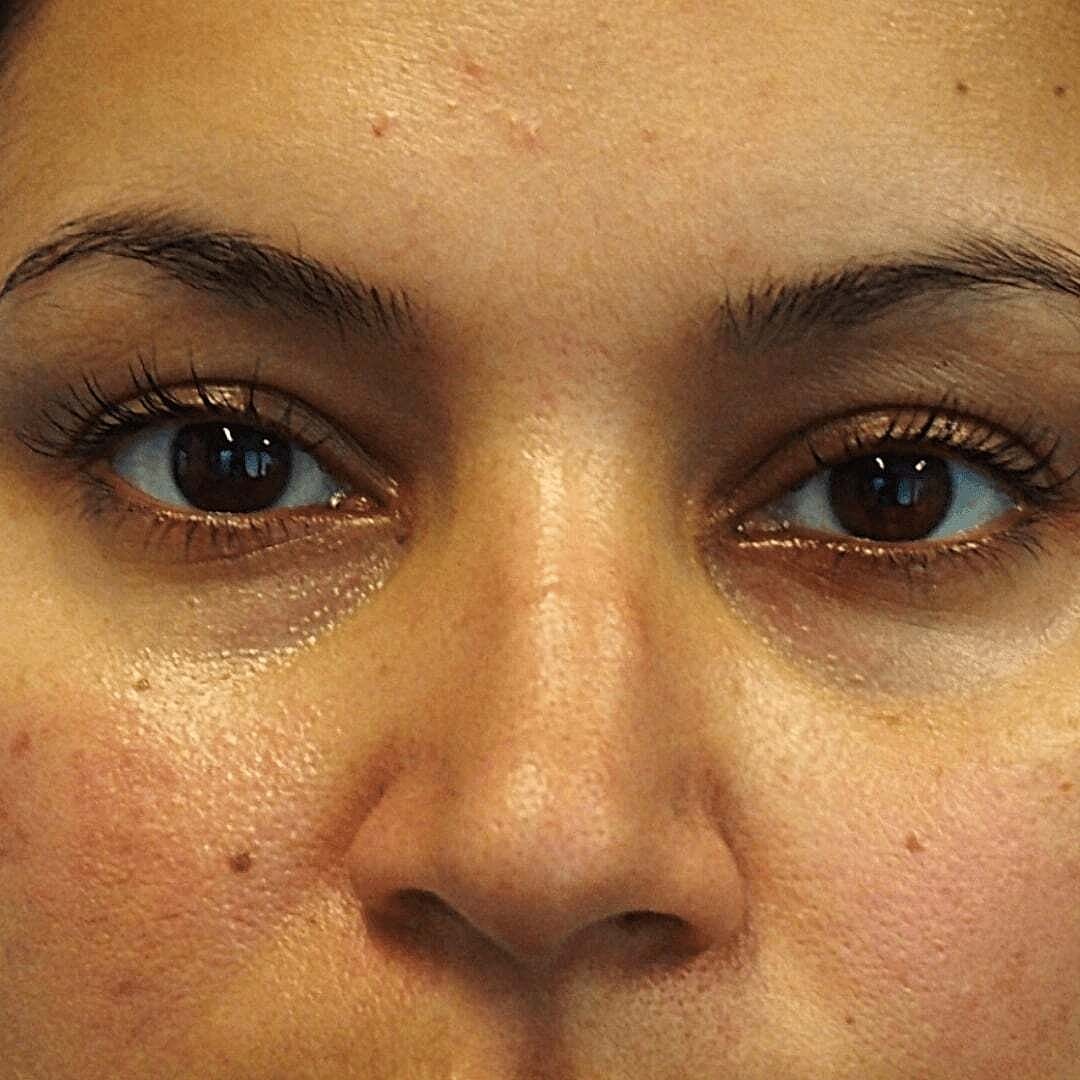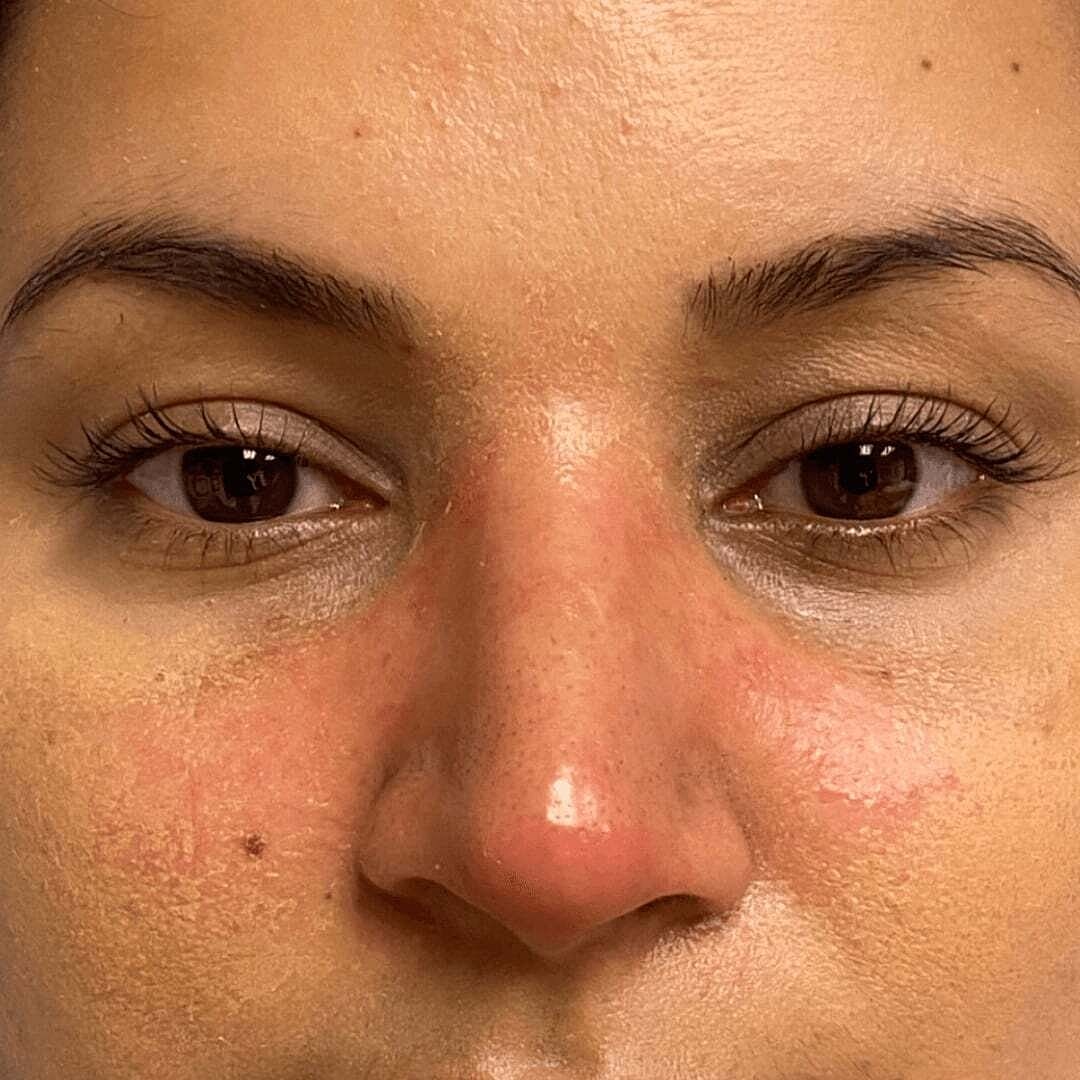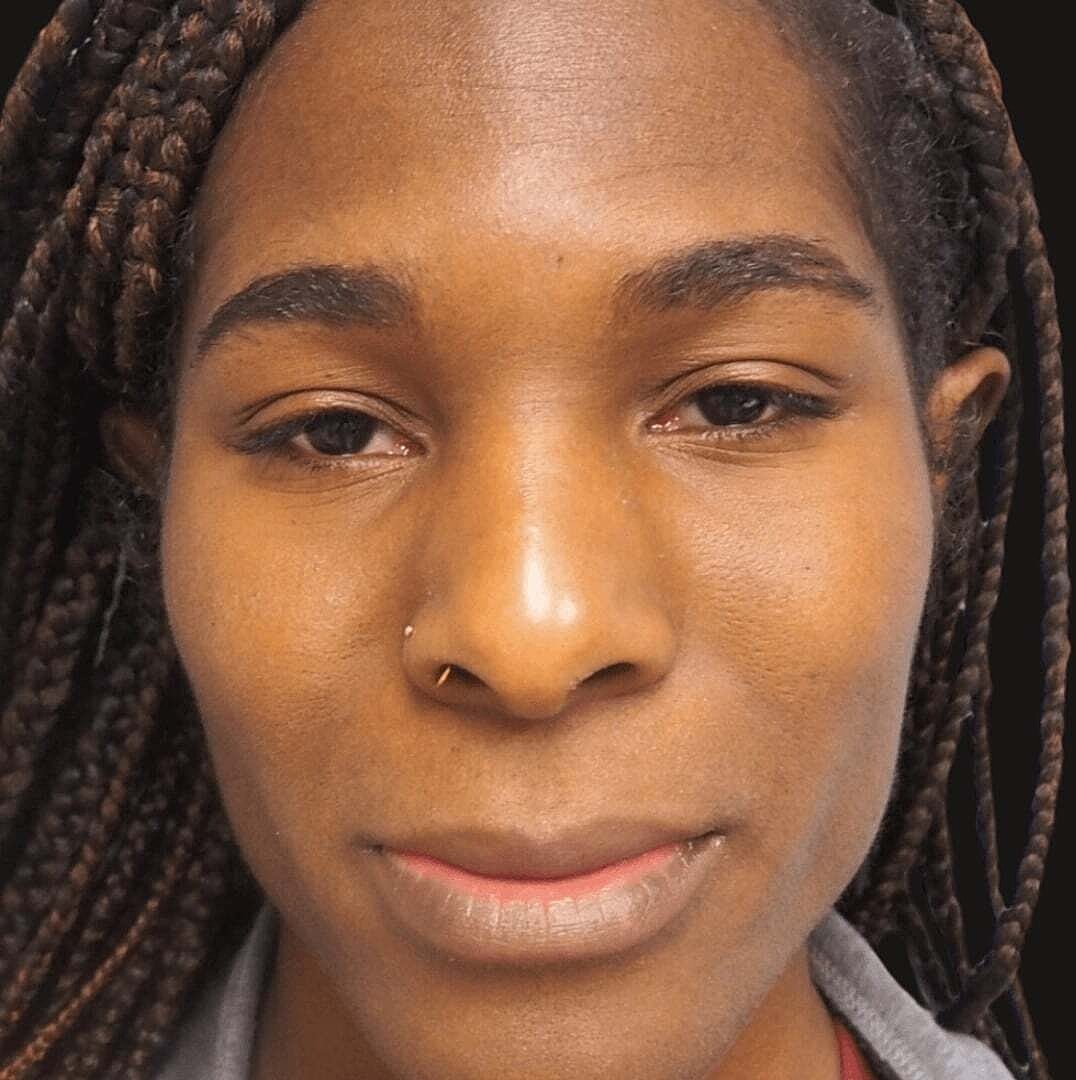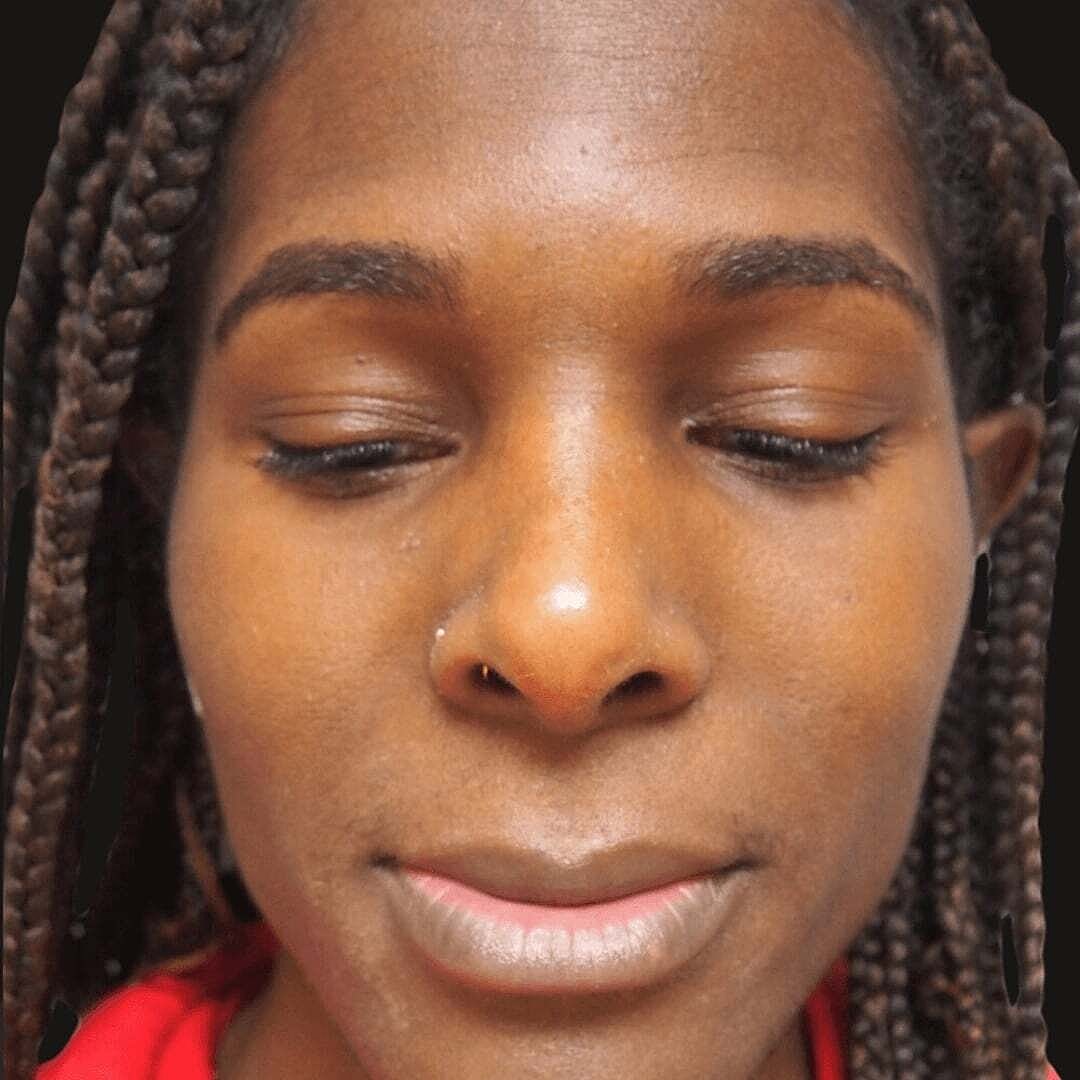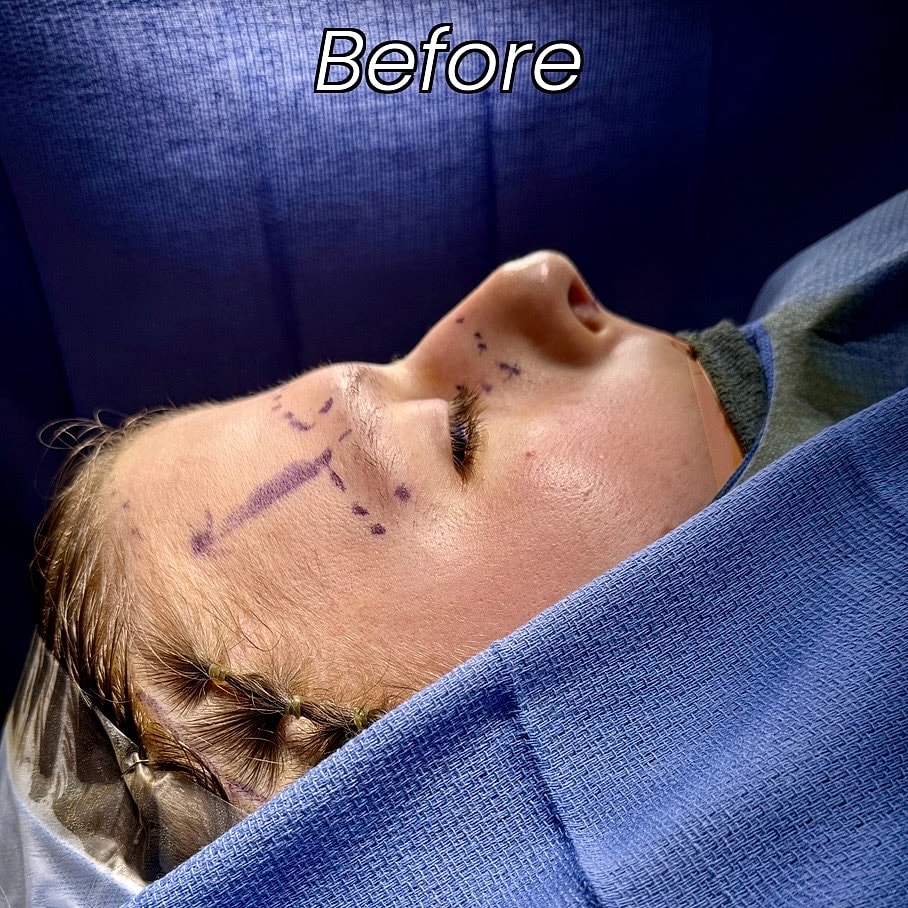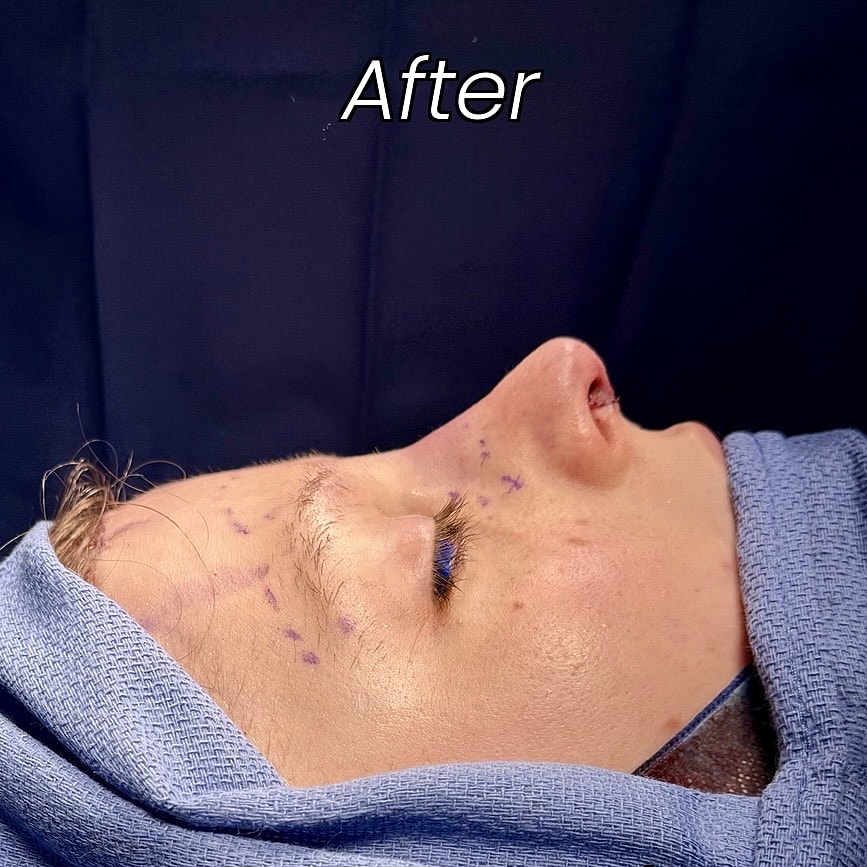
Rhinoplasty
in Charlotte, NC


Rhinoplasty is an aesthetic treatment performed to change the look and shape of the nose. Furthermore, rhinoplasty can help correct functionality in some patients. Charlotte, NC, plastic surgeons Dr. James Appel and Dr. Blair Wormer are seasoned cosmetic face and nose surgeons who perform Rhinoplasty, taking a conservative approach to produce the most natural results. Our board-certified plastic surgeons bring years of dedicated experience in performing rhinoplasty procedures that address both aesthetic goals and functional breathing concerns. Every nose surgery begins with a personalized approach, a careful evaluation of your unique nasal anatomy, facial features, and desired outcome, so your results look natural and feel right.
While rhinoplasty consists of delicate changes, results can be impressively dramatic. Rhinoplasty in Charlotte, NC at Appel Wormer Esthetics can be used to make a nose look smaller in size or enhance a misshapen nose that protrudes, is too large or wide, or has a bump on top. The objective is to produce a more aesthetically pleasing nose that meets your goals and functions well. Contact Appel Wormer Esthetics to schedule an appointment for a consultation.
Cosmetic nose reshaping; can also improve airway function
1.5 to 3 hours under general anesthesia or IV sedation
Splint is removed at 7 days; return to work in 1 to 2 weeks and exercise at 6 to 8 weeks
Immediate structural improvements visible upon splint removal, with delicate tip refinement continuously evolving over 9 to 12 months
1 of 4
Rhinoplasty, commonly called a nose job, is a surgical procedure designed to modify the nose's structure for cosmetic or functional reasons. The term itself derives from the Greek words for "nose" and "shaping," and the procedure has been refined over centuries, from ancient reconstructive methods described in India's Sushruta Samhita around 600 BC to the sophisticated techniques used by facial plastic surgeons today.
During rhinoplasty, the surgeon reshapes the nasal bone, cartilage, and soft tissues to alter the nose's shape, size, projection, or internal structure. The dual purpose of the procedure is what sets it apart from purely cosmetic surgery: rhinoplasty can simultaneously improve breathing by correcting structural problems within the nasal cavity while enhancing the nose's external appearance.
Rhinoplasty involves reshaping the nose's structure for cosmetic or functional reasons. There are two primary surgical approaches to cosmetic nose surgery:
Open rhinoplasty involves an incision under the nasal tip, across the tissue between the nostrils (the columella), plus internal incisions. This provides the surgeon with direct visualization of the cartilage and bone framework, making it ideal for complex nasal reconstruction, revision rhinoplasty, or significant tip work.
Closed rhinoplasty incisions are made entirely inside the nostrils. This closed rhinoplasty procedure offers the advantage of no external visible scarring, though it provides less access for reshaping. Closed rhinoplasty leaves no visible scars but offers less access for reshaping.
Your rhinoplasty consultation is the foundation of a successful outcome. It begins with a comprehensive facial analysis. Your surgeon evaluates your nasal bone structure, cartilage quality, skin thickness, nasal passages, and the relationship of your nose to your chin, forehead, and other facial features. Internal examination via rhinoscopy assesses the nasal septum, nasal airway, turbinates, and nasal valve function.
Your medical history is reviewed thoroughly, including any previous surgeries or breathing conditions.
Pre-operative preparation typically includes:
Rhinoplasty is performed while the patient is under IV sedation or general anesthesia and is considered an outpatient surgery. The surgery takes place in our QUAD A- certified outpatient facility, and most patients go home the same day. A typical rhinoplasty surgery lasts 1.5 to 3 hours for primary cases, with more complex revision surgery or combined procedures sometimes requiring additional time.
Our Charlotte, NC Rhinoplasty employs various surgical techniques depending on the patient's unique cosmetic goals. The goal during the procedure is to reduce excess bone, cartilage, and tissue or to improve and add cartilage if necessary for reconstruction. The nasal features are repositioned, and the skin is draped over the newly enhanced framework. Stitches are implemented either inside the nose or in the natural external fold.
For open rhinoplasty, a small incision is made across the columella, along with internal incisions, allowing the skin to be lifted and the full nasal framework to be exposed. For closed rhinoplasty, all incisions are placed inside the nostrils.
The surgeon modifies the nasal structure in accordance with the surgical plan. This may include rasping or removing a dorsal hump, performing osteotomies to narrow the nasal bone, and trimming or repositioning cartilage. Cartilage grafting may involve harvesting cartilage from the septum or ear — or, in complex cases, rib cartilage — to provide structural support, build projection, or reinforce the nasal tip. Surgeons may use cartilage grafts from various sources for reinforcement during rhinoplasty in Charlotte, NC.
Suturing techniques reshape, support, or rotate the nasal tip. Alar base modifications may narrow wide nostrils.
If breathing issues are present, septoplasty corrects a deviated septum, turbinate reduction opens nasal passages, and nasal valve grafts reinforce areas of collapse to improve nasal function.
Nasal tissues are redraped, incisions are closed with fine sutures, and a splint is often applied to maintain the new nose shape during healing. Internal splints may be placed to support the nasal septum.

With rhinoplasty Charlotte, NC patients are provided a targeted surgical solution to resolve both aesthetic imbalances of the facial profile and functional structural issues within the nasal airway:
A Dorsal Hump
Smooths out a prominent bony or cartilaginous hump along the nasal bridge for a sleek profile.
Nasal Asymmetry or Crookedness
Straightens nasal bones shifted by prior physical trauma or congenital deviations.
Airway Obstruction & Deviated Septum
Realigns internal septal cartilage and reduces swollen turbinates to restore unobstructed airflow.
Bulbous or Drooping Nasal Tip
Refines, rotates, or reinforces soft tissue cartilage at the tip to create better projection and clarity.
Rhinoplasty improves both the appearance and function of the nose, making it one of the most impactful procedures in plastic surgery. By thoughtfully adjusting the nasal contour, projection, and internal structure, nose surgery can transform facial balance and significantly improve quality of life. Rhinoplasty can even correct breathing problems that affect sleep by addressing internal obstructions.
Receiving rhinoplasty in Charlotte, NC, at Appel Wormer Esthetics can have multiple aesthetic and operational benefits, including:
Candidates for rhinoplasty include individuals who are unhappy with the size, shape, or proportions of their nose and are seeking to improve their appearance. Additionally, rhinoplasty may be a suitable option for those with structural issues that impair breathing, such as a deviated septum. Ideal candidates are in good overall health, have realistic expectations for the outcome, and have reached full facial growth.
During your consultation at Appel Wormer Esthetics, Dr. Appel and Dr. Wormer will carefully evaluate your concerns, goals, and medical history to determine if rhinoplasty is the right procedure for you. They will discuss what the procedure can realistically achieve given your skin thickness, nasal anatomy, and healing characteristics. Contraindications include uncontrolled medical conditions, bleeding disorders, and active smoking, which impairs healing.


Recovery from rhinoplasty follows a predictable timeline, though individual healing varies based on the complexity of the procedure and individual factors.
First week. Patients generally wear a nasal splint for the first seven days after rhinoplasty. Swelling and bruising are common in the initial recovery phase after rhinoplasty, peaking around 48–72 hours. External sutures are removed 4 to 5 days after surgery. Pain medications are taken to manage discomfort, which most patients describe as mild to moderate. Expect nasal congestion and some light bleeding.
Weeks 1–3. Some patients can return to work after one week, depending on their recovery progress and the nature of their job. Bruising typically resolves within 10 to 14 days. Swelling around the nose typically subsides within a few weeks after rhinoplasty, and initial improvements in nose shape become visible.
Months 1–12. While the recovery period for major bruising and swelling is relatively short, subtle residual swelling, particularly around the nasal tip, continues to refine over months. Mild swelling can last up to one year post-surgery.
Activity restrictions during recovery include:
Follow-up appointments are typically scheduled at 1 week, 2 weeks, 1 month, 3 months, 6 months, and 1 year. Your surgeon monitors healing, checks for any complications, and assesses both your aesthetic results and functional improvements. Temporary tip numbness is common and gradually resolves.
Initial improvements in your new nose shape are visible once the splint is removed after one week, and most swelling resolves within three weeks. However, subtle refinement continues as residual swelling, especially at the nasal tip, fully resolves over 9 to 12 months.
The permanent structural adjustments made to the bony and cartilaginous framework create a beautifully balanced nose shape that lasts a lifetime. So long as you protect the nasal bones from acute trauma during the initial healing window, your restored airflow and elegant nasal proportions will remain permanent.
If you find yourself dissatisfied with your nose's appearance or are facing breathing issues, consider nose surgery as a viable solution. Rhinoplasty is a popular and highly effective cosmetic procedure that Drs. Appel and Wormer specialize in. Their goal is to enhance your nose in a way that brings harmony and balance to your overall facial features. Even minor modifications can yield significant improvements. Contact Appel Wormer Esthetics in Charlotte, NC, today to schedule a consultation and explore your options.
If you've been considering rhinoplasty, the first step is a comprehensive consultation where we evaluate your nasal anatomy, discuss your goals, and develop a personalized surgical plan. We'll review how rhinoplasty can address your specific concerns—whether cosmetic, functional, or both—and provide a detailed cost estimate tailored to your procedure.
Our office welcomes patients in a professional, supportive environment focused on education and transparency. Contact us today to schedule your consultation and begin the process of achieving the nose shape and nasal function you deserve.

Most patients report mild to moderate discomfort rather than significant pain. Prescribed pain medications keep you comfortable during the first few days, and the sensation is often described more as pressure or congestion than sharp pain.
Dr. Appel and Dr. Wormer utilize advanced surgical techniques to minimize visible scarring. Depending on your procedure, incisions are either hidden inside the nose or placed discreetly within its natural external folds. Over time, any external scars typically fade and become very difficult to notice.
Rhinoplasty is performed under IV sedation or general anesthesia, so you will not feel any pain during the surgery itself. Some discomfort, swelling, and stuffiness are normal during the initial recovery period, but this can be managed effectively with medication prescribed by our staff. Most patients at Appel Wormer Esthetics find the recovery process to be more uncomfortable than painful.
Our team in Charlotte, NC, will provide you with a comprehensive list of pre-operative instructions to follow. This typically includes avoiding certain medications like aspirin and anti-inflammatory drugs that can increase bleeding. You will also be advised to arrange for someone to drive you home after the procedure and assist you for the first 24 hours.
Yes. Functional rhinoplasty can correct a deviated septum, reinforce a collapsed nasal valve, reduce enlarged turbinates, and address other structural issues that impair airflow through the nasal passages. Many patients undergo combined cosmetic and functional correction in a single procedure.
Healthy adults of any age can be good candidates for rhinoplasty. There is no upper age limit as long as you are in good overall health, have realistic expectations, and possess adequate healing capacity. A careful evaluation of your medical history will help determine your suitability.
Non-surgical rhinoplasty, also known as “liquid rhinoplasty,” uses injectable fillers like hyaluronic acid to smooth bumps and lift the nose tip. This minimally invasive procedure can be appropriate for minor contour concerns. The results of non-surgical rhinoplasty are not permanent, typically lasting up to 18 months, and cannot address functional issues or make the nose smaller.
1Kaluskar SK. Evolution of rhinology. Indian J Otolaryngol Head Neck Surg. 2008 Jun;60(2):101-5. doi: 10.1007/s12070-008-0050-9. Epub 2008 Jul 23. PMID: 23120515; PMCID: PMC3450513.